"Shh...we're learning to learn to learn!"
Book A Tour

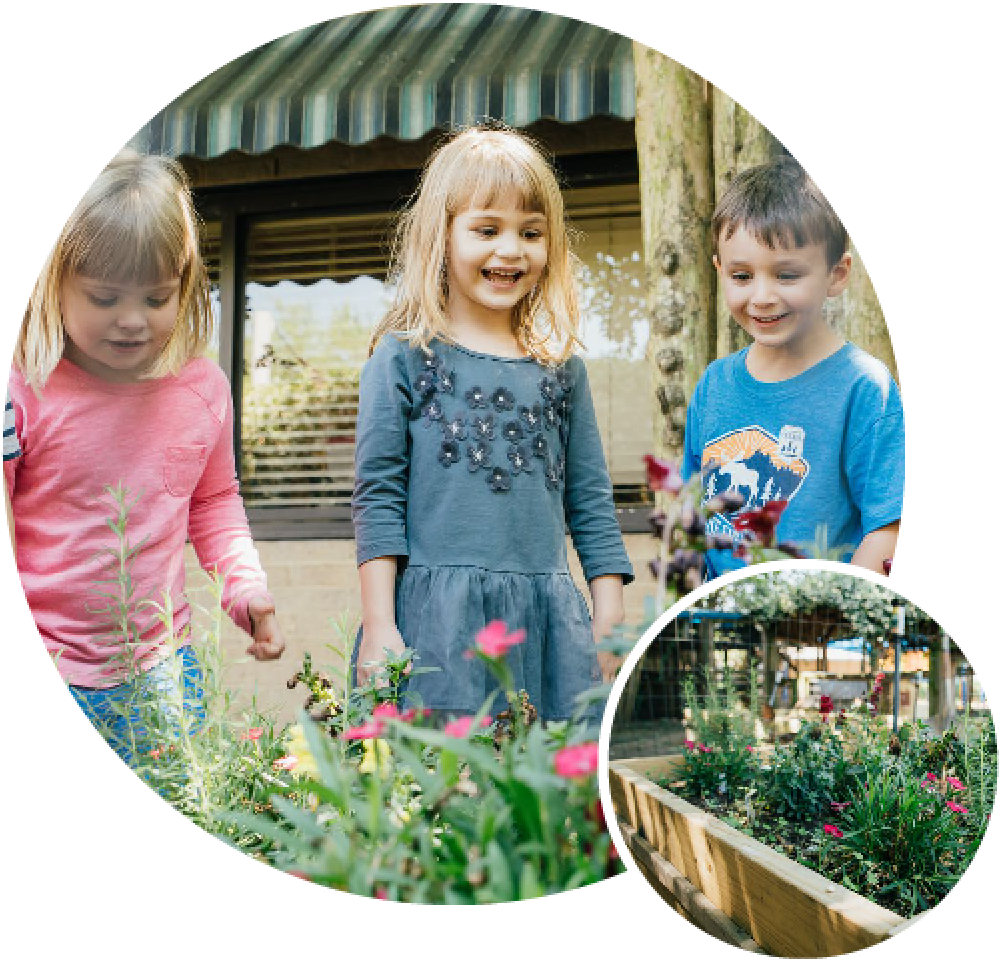
Since 1973, young imaginations at Esperanza have blossomed under the centuries-old trees, inside and out of the classrooms, exploring the world through taste, touch, smell, sound and vision. Using curiosity as their compass, each day is an enchanting adventure, a path to lifelong learning.
past lifelike animal sculptures under the shade trees across the three-acre campus, beaming with delight. Inside and across the vibrant, art-adorned hallways, a toddler’s face lights up in a moment of awareness, as they explore the touchstones of identity and self-esteem.
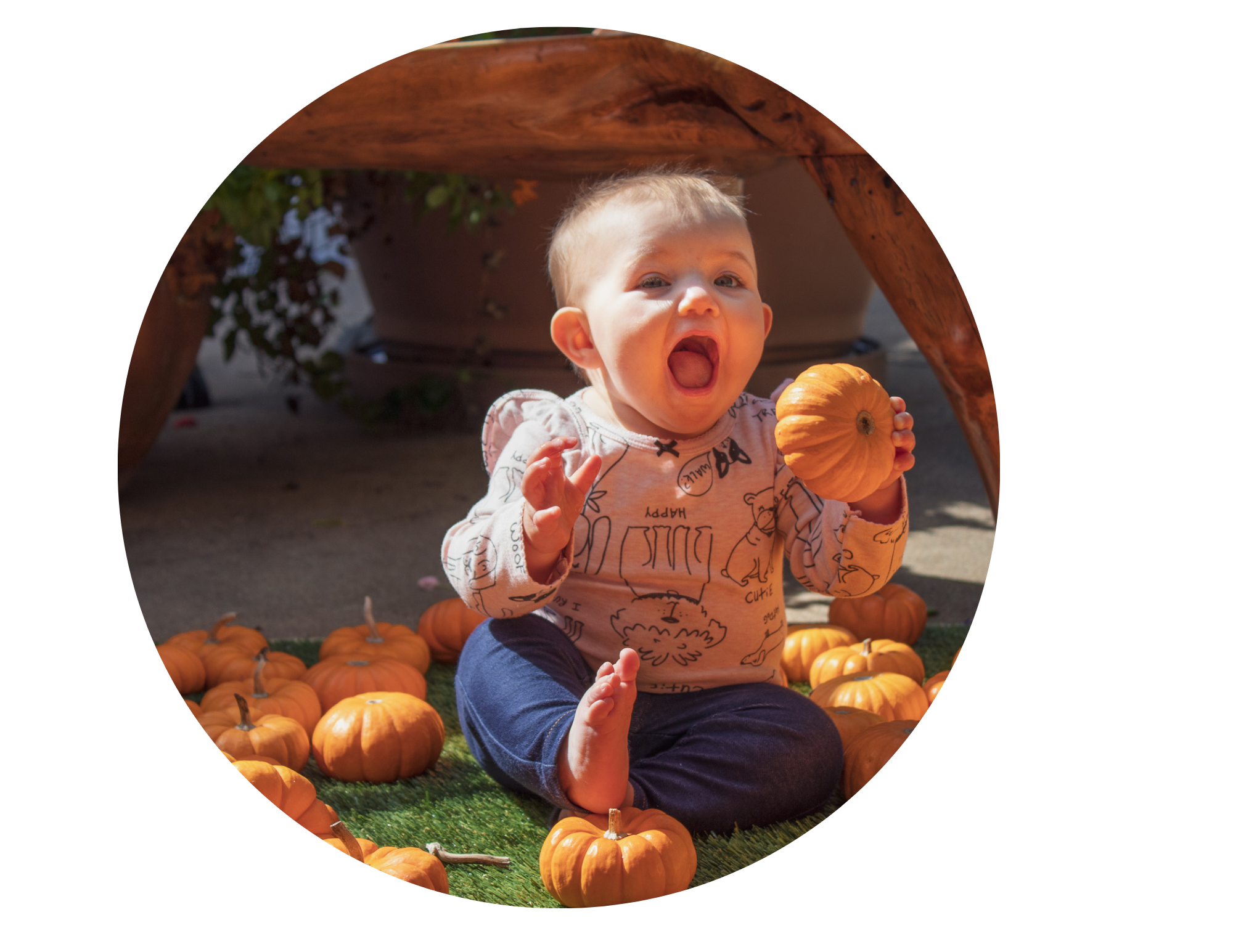
It’s a picturesque learning-space where children, 6-weeks to 5-years-old, delight in the magic of childhood while preparing the way for a life filled with wonder and reverence for learning.
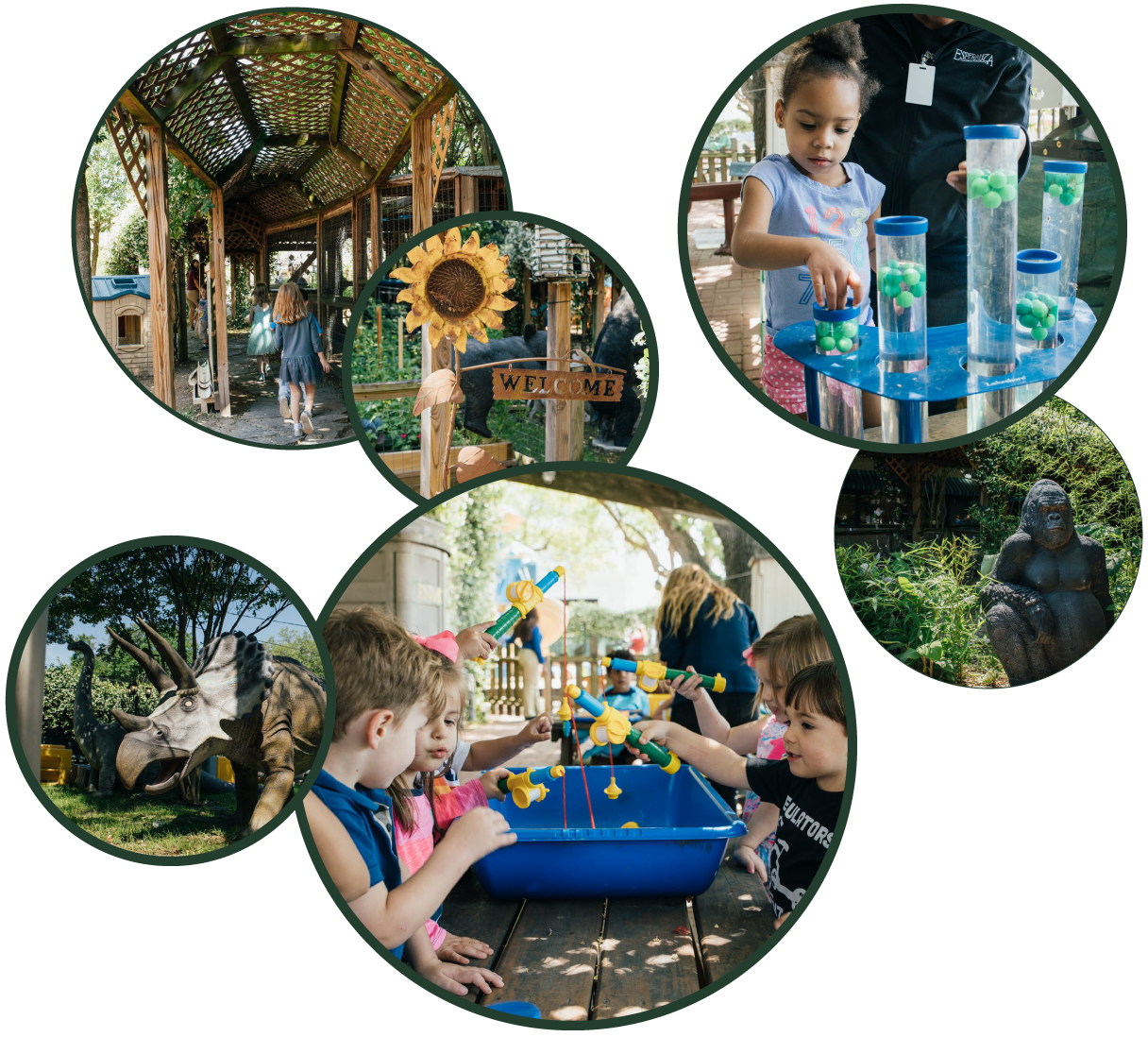
from the science gardens and the playground, where a group of children run free with their friends, jumping, playing and learning—joy in motion.
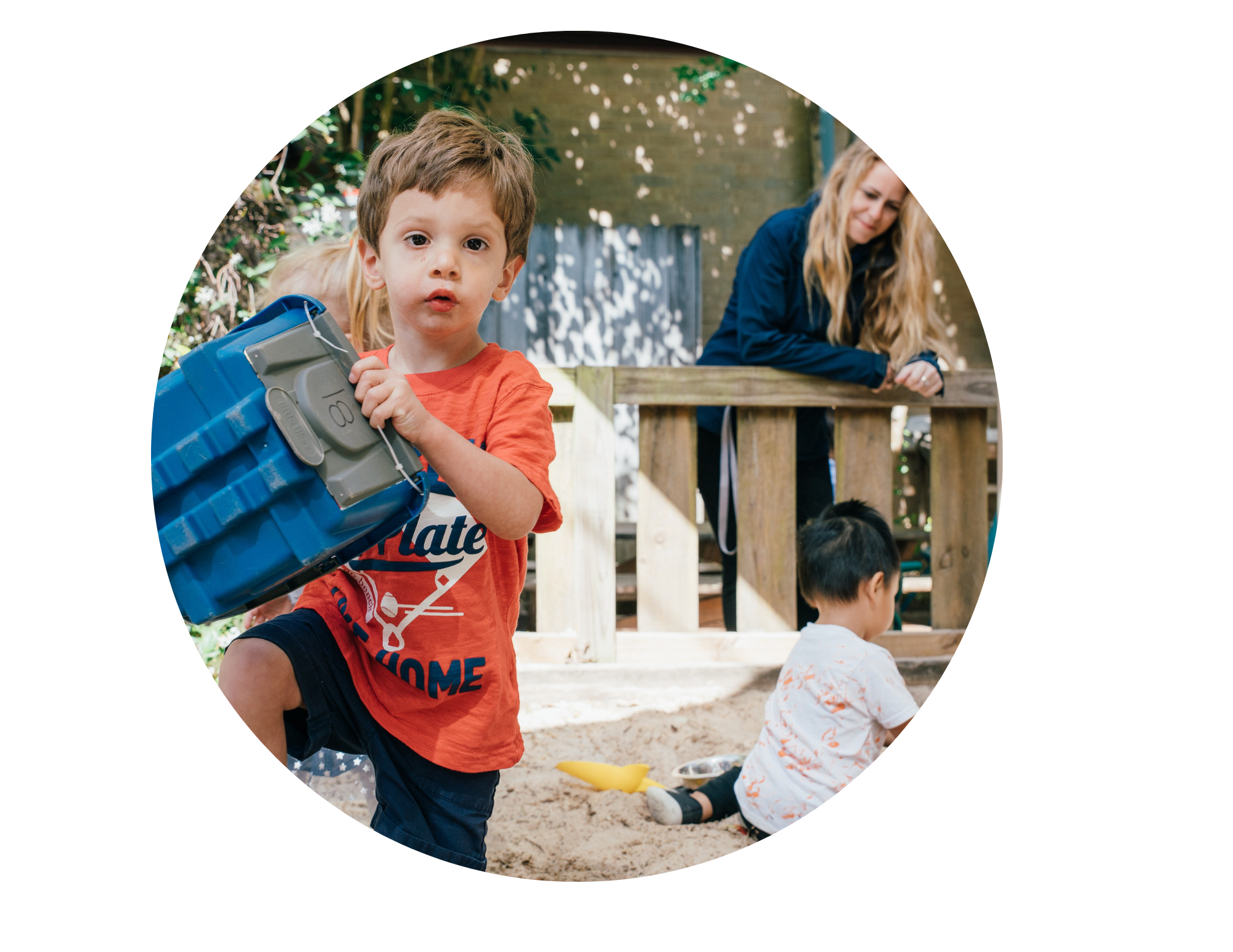
Pre-K students work closely with a beloved teacher, learning to problem-solve, finding courage to explore and ask questions, diving deeper, gaining confidence.
explorers start their journeys at our main campus, three acres of wooded urban land, in the heart of Houston. Part-Time, After-School and Summer Camp voyagers find their adventures at The Esperanza Discovery Center.
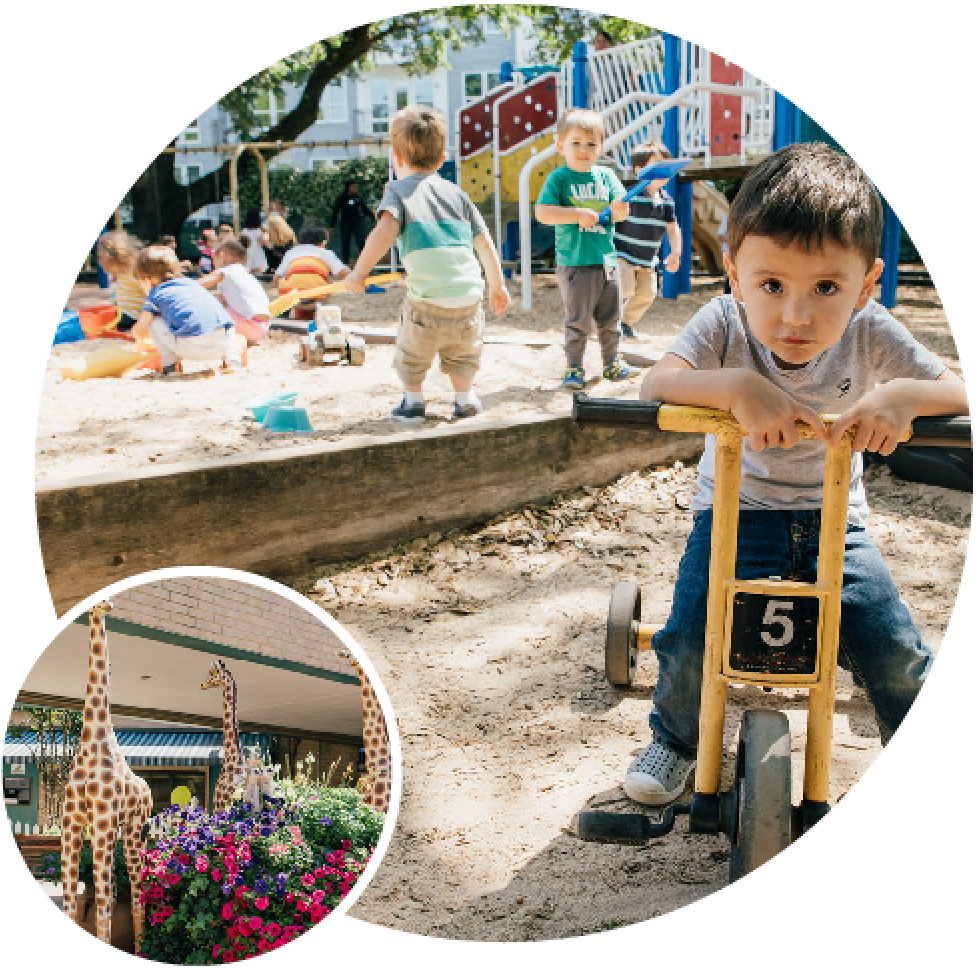
Come explore Esperanza located on three lush acres of land surrounded by 300 year old trees guarding the land of magic for child starting 6 week to 5 years old.